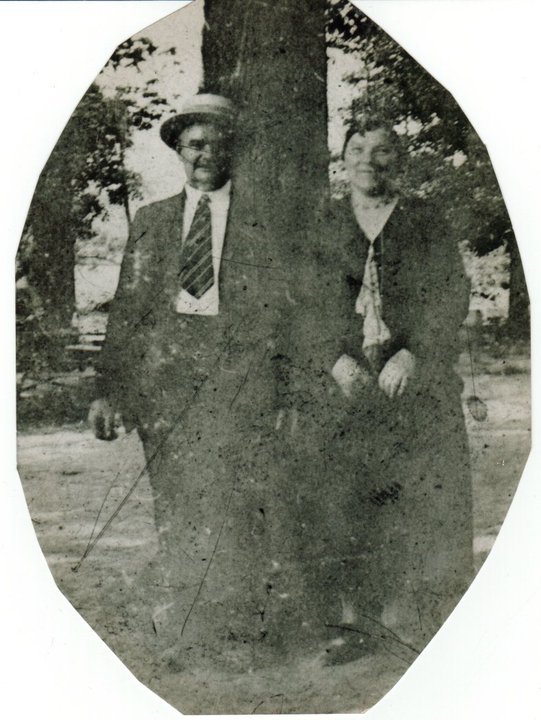
Henry Lynch
- Born
- 1 Jan 1565
- Died
- 1 Jan 1635
- Gender
- Male
The Lynches were one of the most powerful of the 14 Tribes of Galway, and were of Norman descent. The Lynches of Galway were cultured and prosperous merchants, who kept their land secure by intermarriage.
In 1622, Sir Henry Lynch was chosen as a Baronet of Ireland, while his son, 2nd Baronet, Sir Robert Lynch, was appointed Mayor of Galway and as a member of the Council of Confederate Catholics during the Civil War. In 1686, Sir Robert's son, Sir Henry the 3rd Baronet, was appointed Recorder of Galway by King James II. He then advanced to be the Judicial Bench as a Baron of the Court of Exchequer in Ireland. After the Battle of the Boyne, Sir Henry 3rd Baronet followed king James II into exile, where he then died in Brest in 1691. His relics were then venerated in Brest Parish where he is considered a saint.
Sir Henry, 3rd Baronet's son Sir Robert Lynch, 4th Baronet owned Carundulla Castle. Despite King James II downfall, Sir Robert managed to hold on to his familyメs land. He then married Katherine Blake, daughter of Henry Blake of Lehinch, Co. Mayo. Robert 4th Baronet and Katherine Blake then had a son named Sir Henry Lynch, 5th Baronet. Henry resided at Castlecarra in a house he built, close to the castle, holding a picturesque view over Lough Carra.
Sir Henry, 5th Baronet, then changed to the Protestant faith in order to marry Mary Moore of the Moore family in Brize Co. Mayo. What followed was the legal battle to The House Of Lords, over the Deeds of Settlement made on their marriage.
When Sir Henry, 5th Baronet, died in 1762, he was succeeded by his son, Sir Robert Lynch, 6th Baronet.
In 1749 he had married Jane Elizabeth Barker. Jane Elizabeth was the daughter of Francis Barker, but also the granddaughter, and heiress, of Tobias Blosse of Little Bossted, Suffolk, England. This is where 'Lynch-Blosse assumes from. Sir Robert then took up residence at Moate, Balla, later to be called Athavalley (Athaville), Balla, part of the old Moore Estate
http://landedestates.nuigalway.ie:8080/LandedEstates/jsp/property-show…; .
Sir Henry Lynch-Blosse, 7th Baronet, was the son of Sir Robert Lynch. He had a family with both his wife and his mistress. T.H Nally wrote a play, The Spancel of Death , concerning events surrounding Sir Henry's will after he died, after which a family row ensued. However, TheSpancel of Death was never performed, after being cancelled because of the 1916 Easter Rising on the same date it was due to be performed in the Abbey Theatre, April 24th 1916.