Walter Hamilton
- Born
- 18 Aug 1856
- Died
- 3 Sept 1879
- Gender
- Male
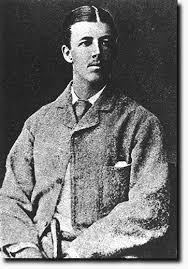
Walter Hamilton was born on the 18th of August 1856 in the civil parish of Inistioge in County Kilkenny.
It would seem that the military was in Hamilton's blood, as his uncle, General Sir George Pollock, had led the Army of Retribution during the First Afghan War.
As a young man, Hamilton enlisted in the army. When he was 22 he served in the Second Afghan War as a Lieutenant in the staf corps and corps of guides. On the 2nd of April 1879, Hamilton was in Futtehabad, Afghanistan when he was involved in a charge against a large number of enemy forces. He took command and rallied the troops when the situation seemed most dire, even coming to the rescue of notable members of the regiment. For his gallantry in this event, Hamilton was awarded the Victoria Cross.
When an embassy was established in Kabul, Hamilton was chosen to be the political assistant to the minister. However, after just a few weeks in Kabul, the embassy was attacked and Hamilton was killed. His body was never recovered, and it is generally believed that he was buried where he fell in the embassy garden. He died on the 3rd of September 1879 at the age of 23.