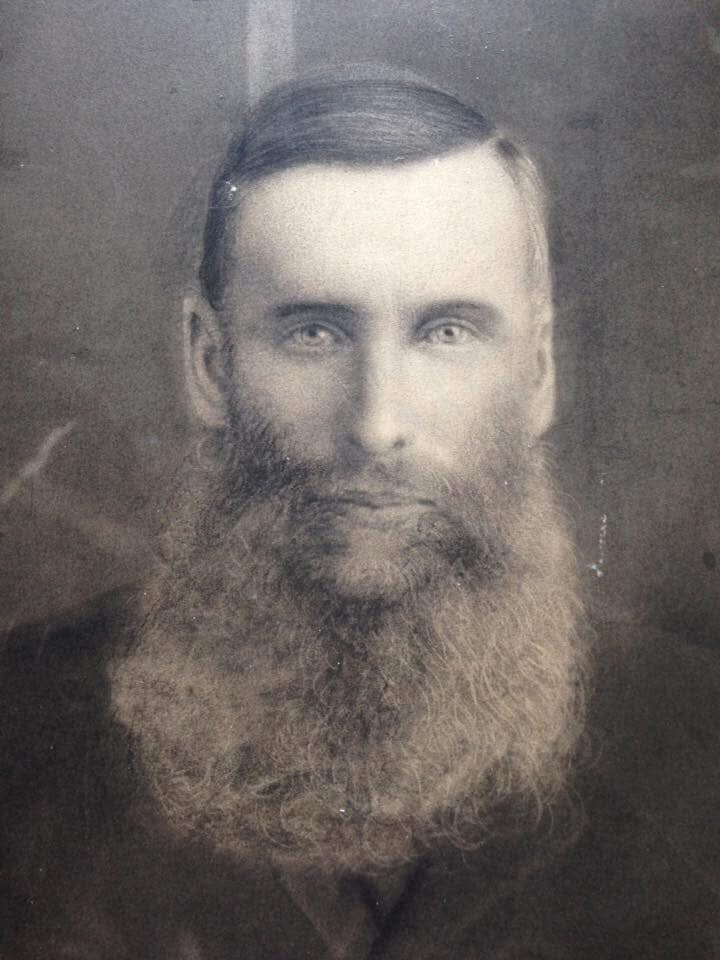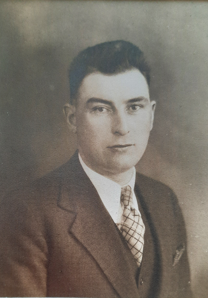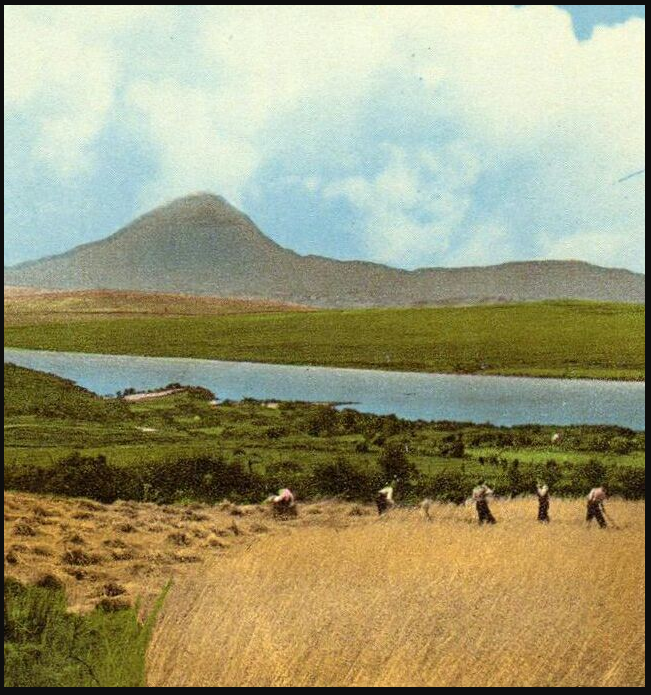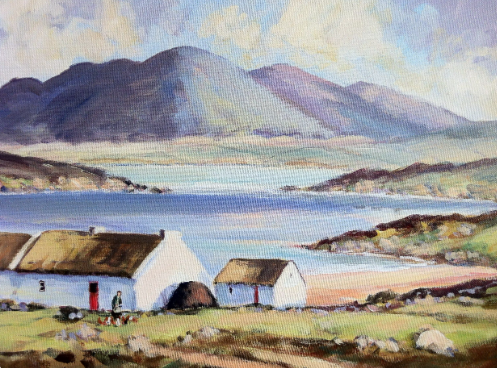
Neil Blaney
- Born
- 1922-10-01 12:00:00
- Died
- 1995-11-08 12:00:00
- Gender
- Male
Neil Blaney
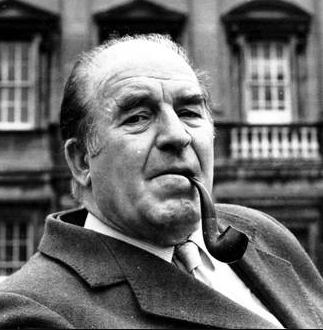
Neil Terence Columba Blaney (1 October 1922 – 8 November 1995) was an Irish politician. He was first elected to Dáil Éireann in 1948 as a Fianna Fáil Teachta Dála (TD) representing Donegal East. Blaney served as Minister for Posts and Telegraphs (1957), Minister for Local Government (1957–1966) and Minster for Agriculture and Fisheries (1966–1970). He was at one time Father of the Dáil.
Early Life
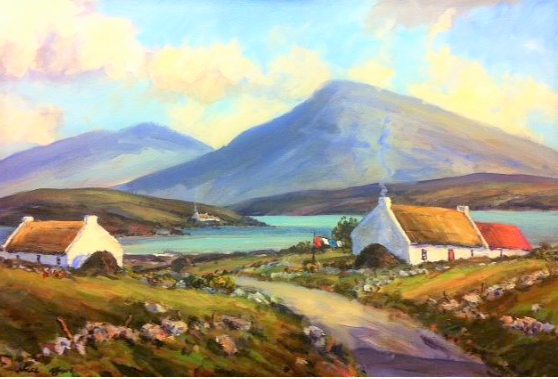
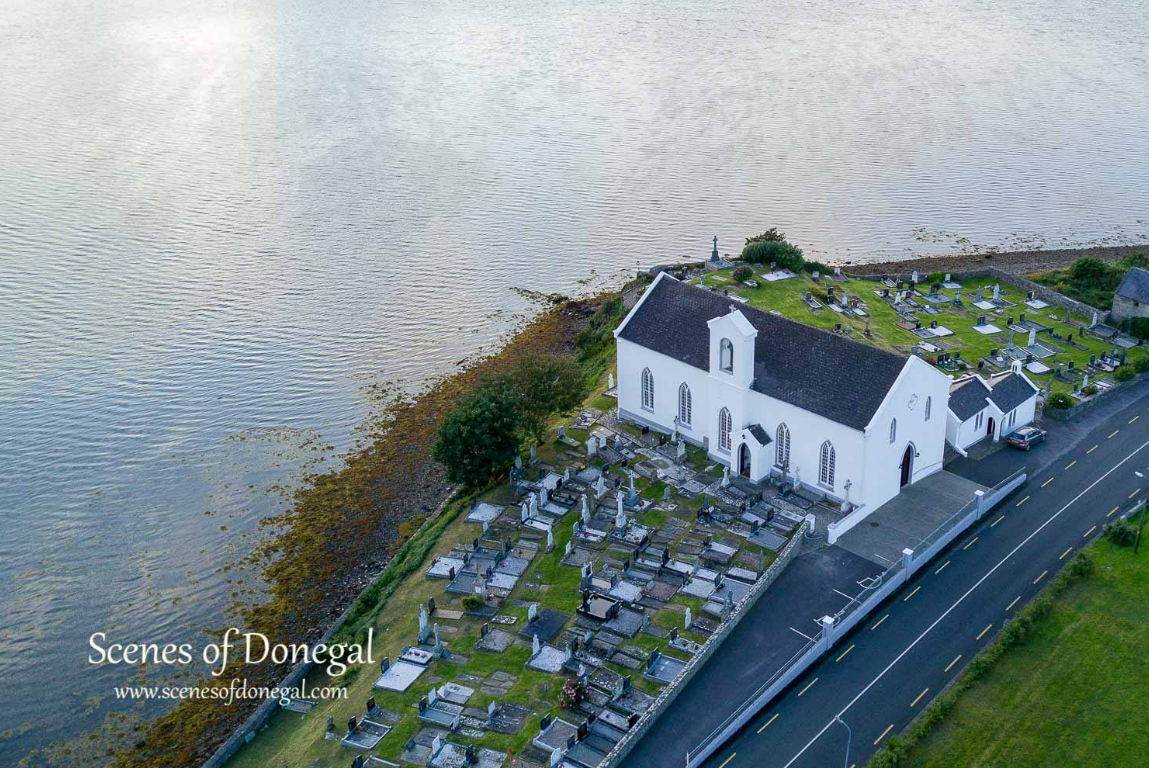
Neil Blaney was born in 1922 in the rural Fanad Peninsula in north County Donegal in Ireland. The eldest of a family of eleven, Blaney's father Neal had been a commander of the Irish Republican Army (IRA) in Donegal during the War of Independence and the Civil War. He served as both a TD and as a Senator between 1927 and 1948. It was from his father that Blaney got his strong republican views and his first introduction to politics. He was educated locally at Tamney on the rugged Fanad Peninsula and later attended Saint Eunan's College in Letterkenny as a boarder. Blaney later worked as an organiser with the Irish National Vintners and Grocers Association.
Early Political Career
At the 1948 general election, Blaney was elected to Dáil Éireann for the Donegal East constituency in a by-election, caused by the death of his father from cancer. He also became a member of Donegal County Council. Upon his election Blaney was the youngest member of the Dáil. He remained on the backbenches for a number of years before he was one of a group of young party members handpicked by Seán Lemass to begin a re-organisation drive for the party following the defeat at the 1954 general election. Within the party, Blaney gained fame by running the party's by-election campaigns throughout the 1950s and 1960s. He introduced the concept of cavalcades after his election victories in his constituency together with roadside bonfires. At the time this was an alien political concept in Ireland. Blaney also adopted wearing sunglasses, chewing gum and wearing bright ties and colourful suits. His dedicated bands of supporters earned the sobriquet, 'the Donegal Mafia', and succeeded in getting Desmond O'Malley and Gerry Collins elected to the Dáil.
Ministerial Career
Following Fianna Fáil's victory at the 1957 general election, Éamon de Valera, as Taoiseach, brought new blood into the Cabinet in the shape of Blaney, Jack Lynch, Kevin Boland and Micheál Ó Móráin. Blaney was appointed Minister for Posts and Telegraphs, becoming the first government minister from Donegal, however, he moved to the position of Minister for Local Government at the end of 1957 following the death of Seán Moylan. Blaney proved to be an innovative minister and his first task as minister was to prepare the groundwork for the referendum to scrap the proportional representation electoral system and replace it with the first-past-the-post voting system. The referendum failed to be passed, however, Blaney was retained in the post when Lemass succeeded de Valera as Taoiseach in 1959.
In 1963, he introduced the Planning Act to rationalise planning throughout the local authorities in the state. This act also created the agency, An Forás Forbatha, to bring planning experts together. His department underwent a very large programme to provide piped water to rural homes. In 1965, Blaney introduced the Road Traffic Act which required that motorists take a driving test in road worthy cars. During his tenure, it became possible to pay rates by installment and he also introduced legislation which entitled non-nationals to vote in local elections.
In 1966, Lemass resigned as Taoiseach and Fianna Fáil leader. The subsequent leadership election saw George Colley and Charles Haughey emerge as the two front-runners. Blaney was unimpressed with the choice and, with the support of the like-minded Kevin Boland, he threw his hat in the ring, declaring himself to be the "Radical Republican" candidate.
However, outside the Northwest and apart from Boland, Blaney failed to attract much support. After some pressure from Lemass the Cork politician, Jack Lynch, entered the race and was deemed to be an unbeatable candidate. Haughey and Boland withdrew in support of Lynch, however, Colley forced a contest. He was defeated heavily with Lynch becoming party leader and Taoiseach. In the subsequent cabinet reshuffle, Blaney was appointed Minster for Agriculture and Fisheries.
Arms Crisis
In 1969, when conflict broke out in Northern Ireland, Blaney was one of the first to express extremely strong Irish republican views, views which contradicted the policy of the Irish Government, in support of Northern nationalists. Blaney was a native of Ulster and was affected by the outbreak of violence in parts of his home province. He was concerned about the plight of the Republican majority in West Tyrone and in Derry, areas that bordered his constituency in West Ulster. From around late 1968 onwards, Blaney formed and presided over an unofficial Nationalist group in Leinster House popularly known as 'the Letterkenny Table', so named because this group of politicians used to meet at a certain table in either the Dáil bar or the Dáil restaurant. The group was dominated by Blaney up until his death. He had also been one of a four-member Cabinet sub-committee set up to decide on government policy to Northern Ireland together with Haughey, Pádraig Faulkner and Joseph Brennan. A fund of £100,000 was set up to give to the nationalist people in the form of aid. However, those involved have denied that the government supported the importation of arms.
There was general surprise when, in an incident known as the Arms Crisis, Blaney, along with Haughey, was sacked from Lynch's cabinet amid allegations of the use of the funds to import arms for use by the IRA.Opposition leader Liam Cosgrave was informed by the Garda that a plot to import arms existed and included government members. Cosgrave told Lynch he knew of the plot and would announce it in the Dáil next day if he didn't act. Lynch requested Haughey and Blaney submit their resignations to the President. Both men refused, saying they did nothing illegal. Lynch then asked the President to terminate their appointments as members of the government. Boland resigned in sympathy, while Micheál Ó Móráin was dismissed one day earlier in a preemptive strike to ensure that he was not the Minister for Justice when the crisis broke. Lynch chose government chief whip Desmond O'Malley for the role. Haughey and Blaney were subsequently tried in court along with an army Officer, Captain James Kelly, and Albert Luykx, a Belgian businessman who allegedly used his contacts to buy the arms. After trial all the accused were acquitted but many refused to recognise the verdict of the courts. Although cleared of wrongdoing, Blaney's ministerial career was brought to an end.
Lynch subsequently moved against Blaney so as to isolate him in the party. He was defeated by George Colley in a vote for the position of Joint Honorary Treasurer at the 1971 Ardfheis, while his constituency colleague, Liam Cunningham, had been appointed a Parliamentary Secretary in the cabinet reshuffle. In the Dáil, Blaney abstained on a motion of no confidence on the worthiness of cabinet minister Jim Gibbons for office, sponsored by the opposition. Paudge Brennan and Desmond Foley acted similarly and, while the government survived, they were all expelled from the parliamentary party. When Blaney and his supporters tried to organise the party's national collection independently Lynch acted and in 1972 Blaney was expelled from the Fianna Fáil party for 'conduct unbecoming'.
Independent Fianna Fáil
Following his expulsion from Fianna Fáil, Kevin Boland tried to persuade Blaney to join the Aontacht Éireann party he was creating, but Blaney declined. Instead, he contested all subsequent elections for Independent Fianna Fáil – The Republican Party, an organisation that he built up, chiefly in the County Donegal constituencies from disaffected members of the Fianna Fáil party who remained loyal to him along with a large number of Republicans. Throughout the 1970's, there were frequent calls for his re-admittance to Fianna Fáil, but the most vocal opponents of this move were Fianna Fáil delegates from Donegal.
At the 1979, European elections Blaney topped the poll in the Connacht–Ulster constituency to the annoyance of Fianna Fáil. He sat in the Technical Group of Independents and served as chair of the group along with the Italian Radical Marco Pannella and Danish left-wing Eurosceptic Jens-Peter Bonde. He narrowly lost the seat at the 1984 election but was returned to serve as an MEP in 1989 election where he sat with the regionalist Rainbow Group. He also canvassed for IRA hunger striker Bobby Sands in the Fermanagh and South Tyrone by-election, in which Sands was elected to Westminster.
Blaney held his Dáil seat until his death from cancer at the age of 73 on 8 November 1995 in Dublin.
_________________________________
INTERESTING LINKS:
Neil Blaney - theirishrising.blogspot.co.uk
Neil Blaney - www.oireachtas.ie
Neil Blaney - electionsireland.org
Shared on IrelandXO.com by:
Seamus Callaghan (Kerrykeel)