Mary (Maria) Dillon
- Born
- 1844-06-05 12:00:00
- Died
- 1919-05-21 12:00:00
- Gender
- Female
- Place of migration
- Migrated to/Born in New Zealand
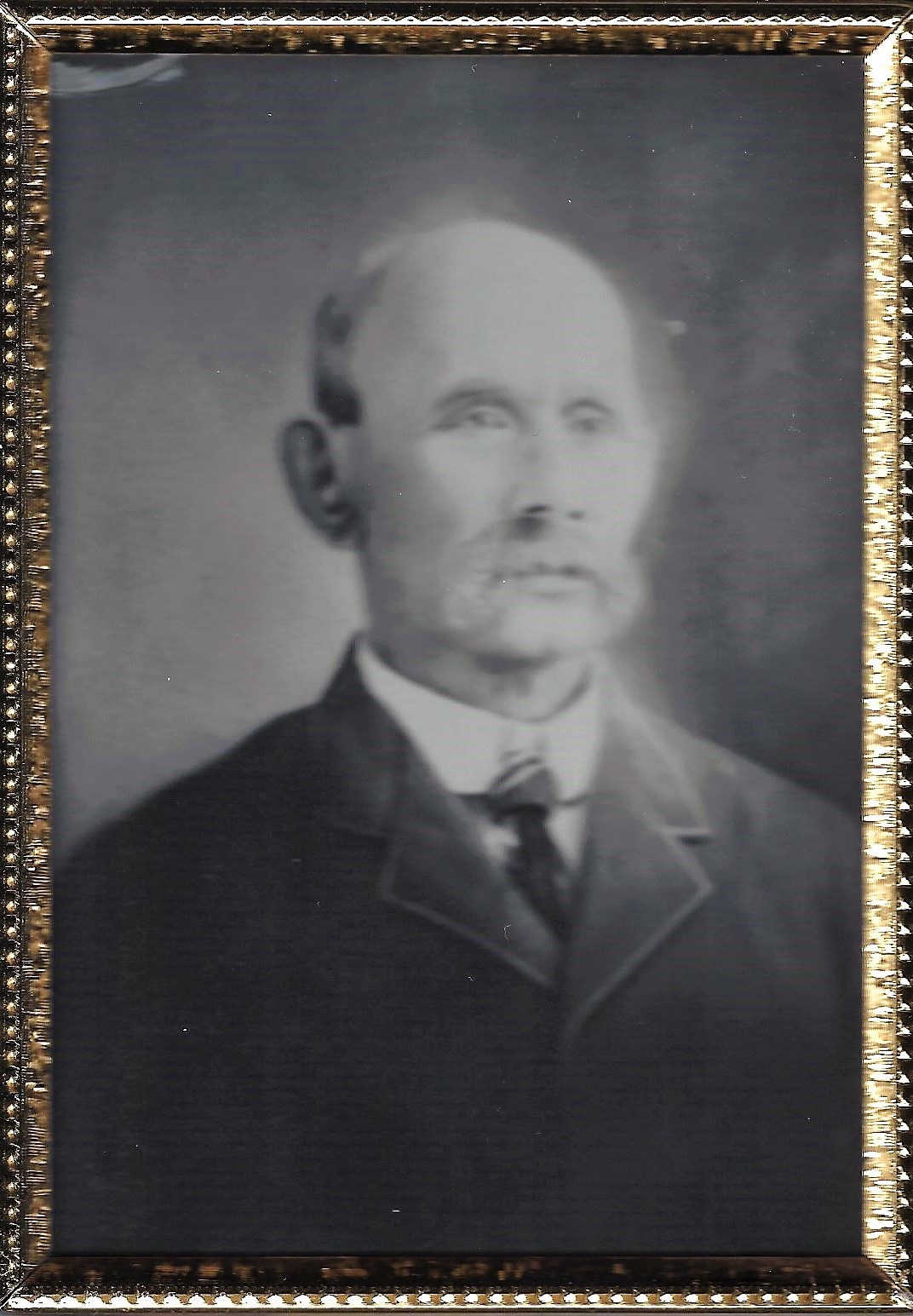
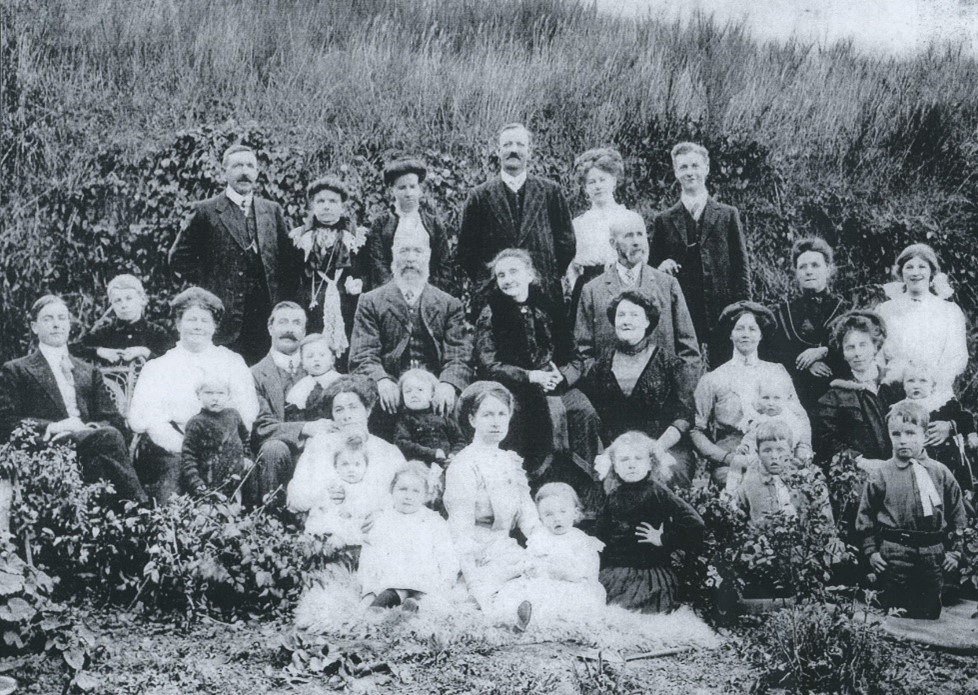
Many thanks to Ireland XO members for assisting. In the center of the image are my great-great-grandparents Patrick Ford (1834?-1918) and his wife Maria nee Dillon (1844-1919), surrounded by most of their eleven children (eight girls and three boys), and some of the next two generations. The place is Oamaru, New Zealand, the date 1912, and the occasion is Patrick and Maria’s 50th wedding anniversary. They married in Tokomairiro, Otago, NZ, in 1862, had their first child Mary Ellen (Ellie) in Southland (1863-1912), then migrated to Oamaru where after working as a gold miner Patrick resumed his profession as a stonemason that he had learned back in Ireland. Maria was from the parish of Aughrim in Galway. Maria and her sister Helen had arrived in NZ first, Maria aged 16, on 28 January 1861 on the maiden voyage of the Lady Egidia, and Patrick followed shortly after, arriving on his birthday, St. Patrick’s Day, on the Melbourne in March 1861. (Confusingly he was one of two persons named Patrick Ford on the Melbourne, but it is unclear if they are related.) The two girls and Patrick were early in the sequence of chain migration of people from the district that commenced with William Cavanagh who arrived from Victoria in Australia in 1856.
I started this post with a series of questions about the people listed here, many of which have now been answered below - many thanks.
- On the Lady Egidia with Maria Dillon was her sister Helen/ Ellen - for more on the family see below.
- Another sibling of Maria and Helen was Bridget Dillon who was born “circa 1846” and also migrated to Oamaru in which town she died in 1923. In NZ she married Archibald Wallace from Edinburgh (c. 1838-1917) and they had four children all born in Oamaru (Mary Jane, William, James Robert and Archibald).
- Another sibling of Maria, Helen and Bridget was John Dillon. He was another in the chain migration system, was born c. 1848-1851 and died in 1928 in Oamaru.
- A further sibling of Maria, Helen, Bridget and John was Andrew Dillon who died in 1941 at Oamaru.
- We know that the parents of Maria, Helen, Bridget, John and Andrew were Andrew Dillon and Ann Halloran also born in Galway married before 1844.
- Our records thus include the six children of Andrew Dillon and Ann Halloran/ Hallorin being: Maria/ Mary/ Marion; Ellen/ Helen/ Ellenor/ Elinor; Bridget; John; Andrew; and Patrick, of the six the only one of the siblings to remain in Galway.
As mentioned above, William Cavanagh started the chain migration of people from Annaghdown after he arrived in Otago in 1856. He was one of the individuals recruited from Victoria, Australia, by the province of Otago which at that time was very short of labour. He may well have been a gold digger in Victoria who became interested in other opportunities when the Victorian gold was petering out. My question: in the 1850s were there any known family connections between the Cavanaghs and the Dillons that would help to explain why William C facilitated the Dillon family chain migration?
With thanks, Frank Sligo