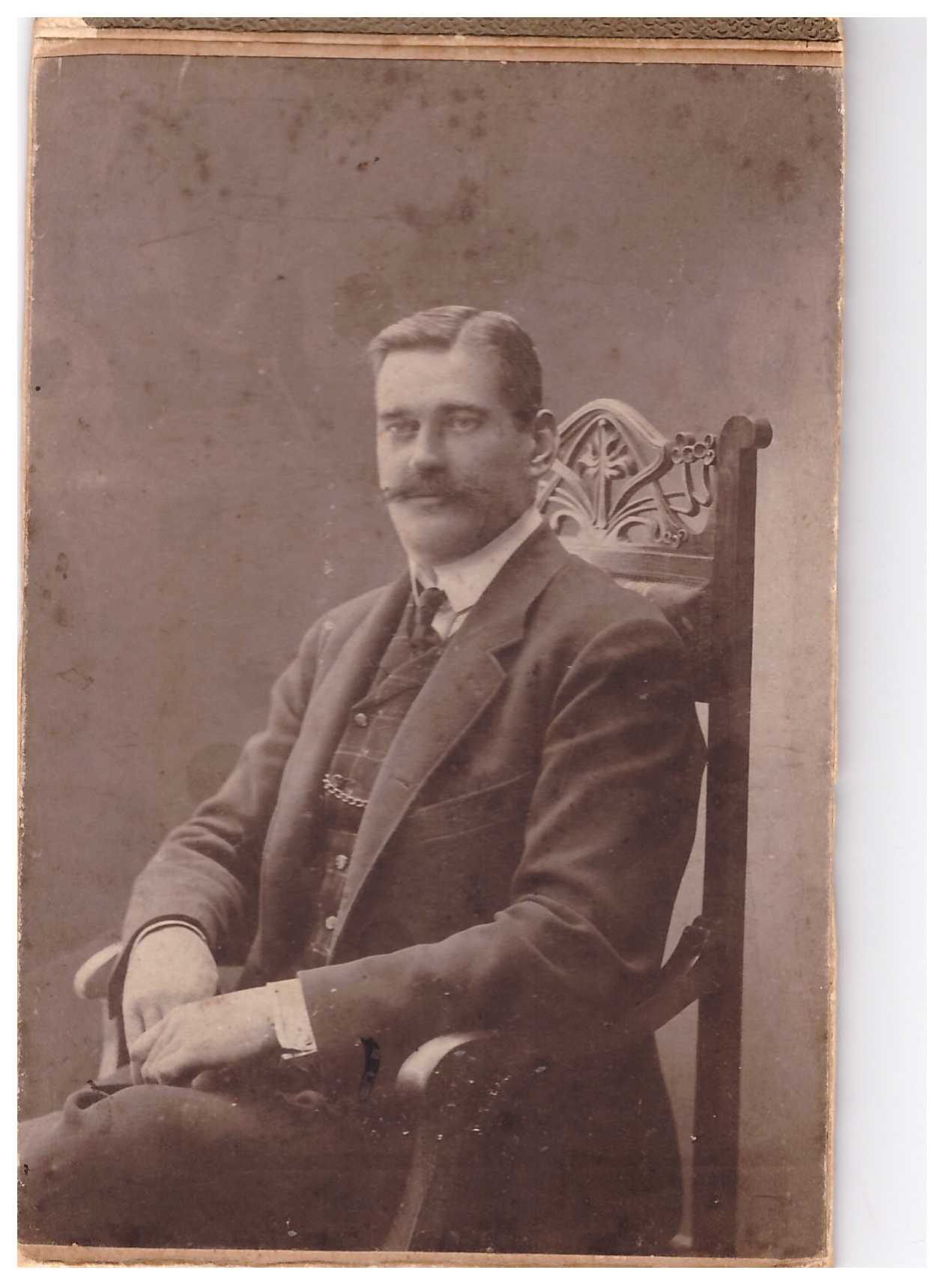
John Nicholson
- Born
- 1821-12-11 12:00:00
- Died
- 1857-09-23 12:00:00
- Gender
- Male
John Nicholson was born in Dublin on the 11th of December 1821 to Dr Alexander Jeffrey Nicholson and Clara Hogg. His parents were Scottish Protestants who had come to Ireland with the Ulster Plantation. When he was 9 years old, John Nicholson’s father died of a disease contracted from one of his patients. The family relocated from Dublin to Lisburn.
At the age of 16, Nicholson recieved a military commission with the Bengal Infantry. It was secured by his uncle, Sir James Weir Hogg, who was a lawyer in the British East India Company. He arrived in India in 1839. During the early years of his military career, Nicholson proved his bravery and strength of will when he was captured during the First Anglo-Afghan War. After six months of captivity, he was released and began the journey back through the Khyber Pass. However, an attack saw a number of men brutally killed, including Nicholson's younger brother, whose mutilated remains Nicholson had the misfortune fo finding himself. It is often remarked that this period in Nicholson's life was what turned him into the brutally cruel man that he would later become. He developed a hatred for the Afghan people and a mistrust of India as a whole.
Nicholson's role in the Anglo-Sikh Wars from 2845 to 1849 earned him the position of Deputy Commissioner of the Bannu area. He set about a zero-tolerance policy in his mission to bring peace to the region and harshly punished any opposition to British rule. Cruel though they were, his methods saw an almost complete end to crime in the Bannu region. As a result of this, and also in recognition of his commitment to honour, Nicholson became a highly respected, and in some cases even worshipped individual. The locals called him Nikal Seyn, and his status became almost cult-like. Not content with such un-Christian behaviour, Nicholson would beat anyone that he saw worshipping him. He was transferred away from the region when he was appointed Brigadier-General of the Bengal Army, but the cult of Nikal Seyn continued long after his departure, and even his death, with people in some rural areas still worshipping him right up to the 1980's.
Nicholson then played a pivotal role in British victory during the Indian Mutiny, but he was moratally wounded in battle. After 9 days of suffering, he died and was buried in Delhi.
Some of the stories which are attributed to Nicholson have an almost mythical nature to them. It is said that after a failed assassination attempt, he kept the severed head of his attacker on his desk as a warning of his power. He also had an entire team of cooks hung without trial when it was discovered that a batch of soup had been poisoned. He also features in Rudyard Kipling's book, Kim, so it is little wonder that the facts of his life come across as more akin to fiction. Nicholson in remembered in equal parts for his ability to bring order to lawless regions, and his fierce brutality and lack of mercy.