Back to ancestor search
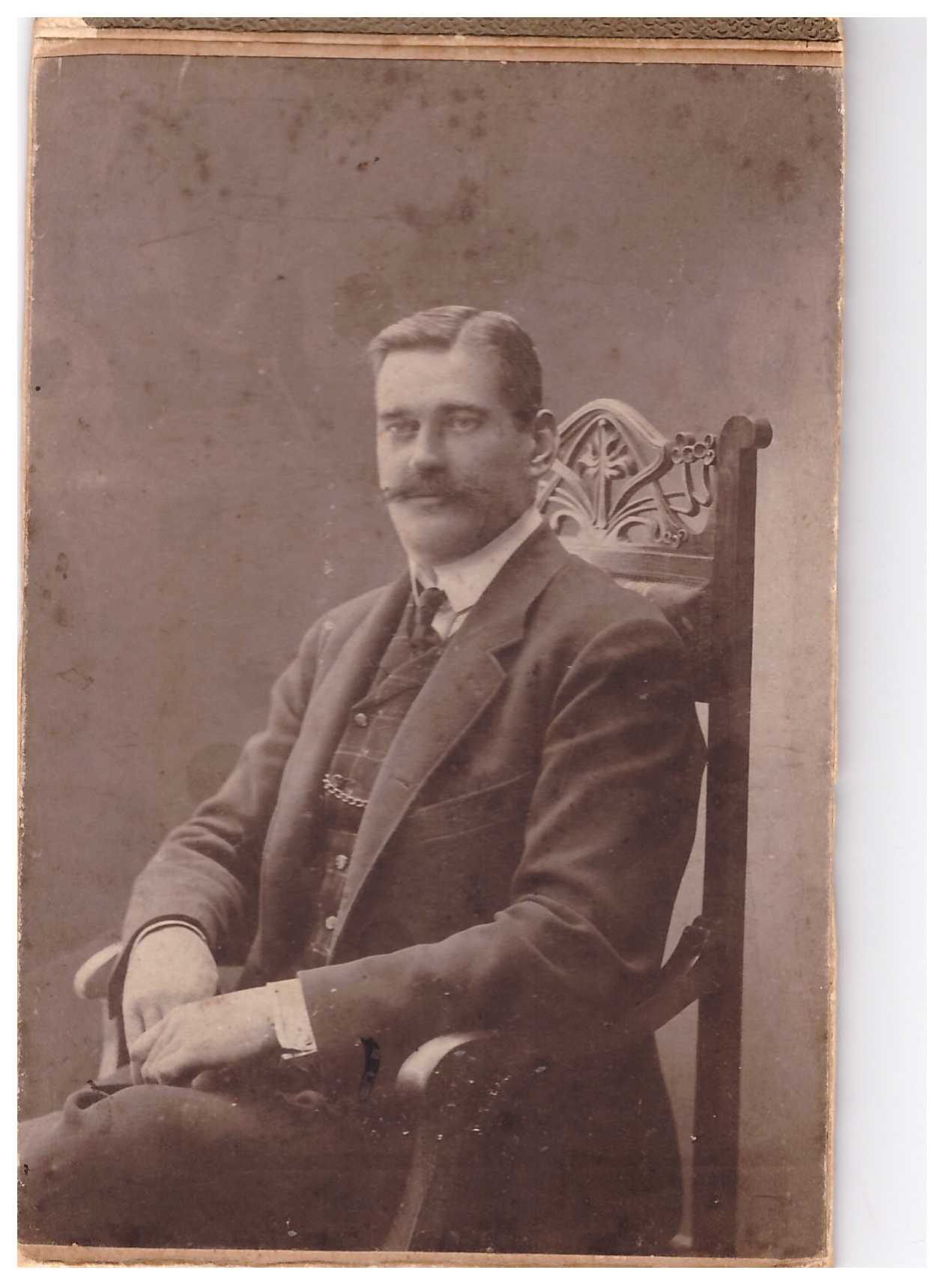
John Dillon MP and Leader of the Irish Parliamentary Party

John Dillon MP and Leader of the Irish Parliamentary Party

Born
1851-01-01 12:00:00
Died
1927-01-01 12:00:00
Gender
Male

John Dillon MP, born in Dublin in 1851, was the son of the famous Young Irelander John Blake Dillon (1814–1866) who, along with George Gavan Duffy and Thomas Davis, founded the Nation newspaper, and took part in the 1848 uprising.

John Dillon

John Blake Dillon

George Gavan Duffy

Thomas Davis Statue

Educated at the old Catholic University, John Dillon later studied medicine and qualified as a licentiate of the Irish College of Surgeons.

However the pull of politics drew him in. In 1874, he supported John Mitchel when he contested for a seat in Tipperary. Later, he became involved with the Land League and, in 1880, he accompanied Charles Stewart Parnell on his historic visit to America, and was with him when he addressed Congress.

Charles Stewart Parnell

Arrested and imprisoned during the Plan of Campaign, Dillon, who was first elected to the Westminster seat for East Mayo in 1885, sided with the anti-Parnellite wing during the dispute that split and almost ruined the Irish Party in the 1890s. However, once John Redmond was elected as chairman of a re-united party in 1900, Mr Dillon threw his support wholeheartedly behind him.

Plan of Campaign

John Redmond

Eighteen years later, John Dillon, MP for East Mayo, was unanimously elected to replace the late John Redmond as leader of the Irish Parliamentary Party on Dublin, 13 March 1918.

‘‘Courage has never been lacking in him at any crisis, but it may be questioned whether he has ever shown greater courage than in thus facing the duties and responsibilities of the Irish leadership at the present moment."[Freeman’s Journal ]

He died in a London nursing home at the age of 76, on 4 August 1927, and was buried four days later in Glasnevin cemetery, Dublin. There is a street named after him in Dublin's Liberties, beside the old Iveagh Market.


ALSO READ

Associated communities

Roscommon

County Roscommon, or Ros Comáin in Irish, is located in the western region of Ireland. We are home to the stunning Lough Key Forest Park and statistically, we are known to have the longest life expectancy of any county in Ireland! We look forward to helping you connect with your ancestors’ place of origin.

Other ancestors in this community

Buildings in this community

  • Ballaghaderreen TOWN PLAN

    Location: Roscommon

    Ballaghaderreen, Co Roscommon, Ireland

  • Ballaghaderreen TOWN

    Location: Roscommon

  • Pre-1840 Tenant Map of Drumbrick, Glooria, Drumanilra, Gortleck, and Cloonkeen

    Location: Roscommon

    Cavetown, Croghan, Boyle, Co Roscommon

  • Carrowmore Tenant Map 1818

    Location: Roscommon

    Carrowmore, Croghan, Co Roscommon

Timeline events in this community

  • 1830s

    Kilcoleman Costello in the 1830s

    <p>A snapshot of pre-famine local history, as described by Samuel Lewis in the "Topographical Dictionary of Ireland" 1837.</p>

    1837-01-01 12:00:00

  • 1740s

    Elphin Census of Tibohine Parish

    1749-01-01 12:00:00

  • 1760s

    Religious Census of Killukin, Creeve & Tumna

    <p>In March 1766, the Irish House of Lords instructed Church of Ireland parish clergy to compile ‘a list of the several families in their parishes’ – to record the religion of the householders and to identify any Roman Catholic priests and friars living in their area. Although most of the original 1766 religious census returns were destroyed Dublin's Public Records Office fire of 1922, a few fragments survived.</p>

    1766-04-15 12:00:00

  • 1760s

    Religious Census of Killummod

    <p>In March 1766, the Irish House of Lords instructed Church of Ireland parish clergy to compile ‘a list of the several families in their parishes’ – to record the religion of the householders and to identify any Roman Catholic priests and friars living in their area. Although most of the original 1766 religious census returns were destroyed Dublin's Public Records Office fire of 1922, a few fragments survived.</p>

    1766-03-01 12:00:00

Dublin

The capital city of Ireland, Dublin aka Baile Átha Cliath, gives its name to the whole county.  It is home to Guinness, Phoenix Park and the Book of Kells.  We have a population of approximately 1,904,806.  We look forward to helping you connect with your ancestors’ place of origin.

Other ancestors in this community

Buildings in this community

  • South Dublin Union

    Location: Dublin

  • St Matthew's church, Irishtown

    Location: Dublin

    Irishtown Road, Irishtown

  • Church of the Assumption, Ballyboughal, County Dublin

    Location: Dublin

    Ballyboughal village, County Dublin, Ireland

  • Ancestral Home of James Joseph McDonald

    Location: Dublin

    44 St Joseph's Place, Dublin, Ireland

Timeline events in this community

  • 1910s

    Easter Rising Compensation Claims

    <p>The Property Losses (Ireland) Committee, 1916 (PLIC) was established in June 1916 to assess claims for damages to buildings and property as a result of the destruction caused by the 1916 Rising. </p>

    1916-01-01 12:00:00

  • 1800s

    Wilson's Dublin Directory

    <p><strong>IrishAncestors.ie offers a free database indexing names appearing in<em> </em>Wilson’s <em>DUBLIN DIRECTORY 1803 (one of </em>three separate directories of <em>The Treble Almanac).</em></strong></p>

    1803-01-01 12:00:00

  • 1860s

    'New' Catholic Church Donnybrook

    <p>A new Catholic Church opened in Donnybrook. Co. Dublin, "Church of the Sacred Heart" completed and consecrated in 1866</p> <p>The previous Church had been in Donnybrook village, adjacent to the current Garda Station.</p>

    1866-01-01 12:00:00

  • 1830s

    Tallaght DUBLIN in the 1830s

    <p>A snapshot of pre-famine local history, as described in the "Topographical Dictionary of Ireland" by Samuel Lewis, 1837.</p>

    1837-01-01 12:00:00

Tibohine (Roscommon)

Our aim is to connect all people with a link to Tibohine (Roscommon). You may live here, have visited here or maybe are tracing ancestors who left long ago. In any case, we’re sure to have lots to share and are delighted to welcome you.

Other ancestors in this community

Buildings in this community

  • Fairymount school

    Location: Tibohine (Roscommon)

    Mullaghnashee, Co. Roscommon, Ireland

  • St. Baoithine Church

    Location: Tibohine (Roscommon)

    L 1244, Teevnacreeva, Roscommon, Ireland

  • Frenchpark House

    Location: Tibohine (Roscommon)

    Dungar, Frenchpark, Co Roscommon

Timeline events in this community

  • 1740s

    Elphin Census of Tibohine Parish

    1749-01-01 12:00:00

  • 1830s

    Tibohine aka Artagh aka Taughboyne in the 1830s

    <p>A snapshot of pre-famine local history, as described by Samuel Lewis in the "Topographical Dictionary of Ireland" 1837.</p>

    1837-01-01 12:00:00

  • 1830s

    Frenchpark in the 1830s

    <p>A snapshot of pre-famine local history, as described in the "Topographical Dictionary of Ireland" by Samuel Lewis, 1837.</p>

    1837-01-01 12:00:00

  • 1830s

    Ballaghadereen Town in the 1830s

    <p>A snapshot of pre-famine local history, as described by Samuel Lewis in the "Topographical Dictionary of Ireland" 1837.</p>

    1837-01-01 12:00:00

Booterstown (Dublin)

Our aim is to connect all people with a link to Booterstown (Dublin). You may live here, have visited here or maybe are tracing ancestors who left long ago. In any case, we’re sure to have lots to share and are delighted to welcome you.

Other ancestors in this community

Buildings in this community

  • Williamstown Martello Tower

    Location: Booterstown (Dublin)

    Williamstown, County Dublin

Timeline events in this community

  • 1830s

    Booterstown in the 1830s

    <p>A snapshot of pre-famine local history, as described in the "Topographical Dictionary of Ireland" by Samuel Lewis, 1837. (The information collected here was submitted by members of the local gentry and clergy of the time).</p>

    1837-01-01 12:00:00

  • 1980s

    Stephen Roche becomes first Irishman to win the Tour de France

    <p>The Tour de France was won by Stephen Roche in 1987, the first Irish man to do so.</p>

    1987-07-26 12:00:00

Glasnevin (Dublin)

Our aim is to connect all people with a link to Glasnevin (Dublin). You may live here, have visited here or maybe are tracing ancestors who left long ago. In any case, we’re sure to have lots to share and are delighted to welcome you.

Other ancestors in this community

Buildings in this community

  • Glasnevin Cemetery

    Location: Glasnevin (Dublin)

  • John Player & Co GLASNEVIN

    Location: Glasnevin (Dublin)

    Botanic Road, Glasnevin, Dublin 9

  • Smurfitt Printworks GLASNEVIN

    Location: Glasnevin (Dublin)

    Botanic Road, Glasnevin, Dublin 9

  • The Model School GLASNEVIN

    Location: Glasnevin (Dublin)

    Church Ave, Glasnevin, Dublin 9

Timeline events in this community

  • 1910s

    Easter Rising Compensation Claims

    <p>The Property Losses (Ireland) Committee, 1916 (PLIC) was established in June 1916 to assess claims for damages to buildings and property as a result of the destruction caused by the 1916 Rising. </p>

    1916-01-01 12:00:00

  • 1830s

    The Royal Dublin Society in the 1830s

    <p>Excerpt from Lewis' "Topographical Dictionary of Ireland" for the metropolis of Dublin in 1837. </p> <p>For more snapshots of pre-famine local history for Dublin city parishes, see below.</p>

    1837-01-01 12:00:00

  • 1830s

    Dublin City in the 1830s

    <p>Excerpt from Lewis' Topographical Dictionary of Ireland for the metropolis of Dublin (pub. 1837). For more snapshots of pre-famine local history for Dublin city parishes, see below.</p>

    1837-01-01 12:00:00

  • 1830s

    Glasnevin in the 1830s

    <p>A snapshot of pre-famine local history, as described in the "Topographical Dictionary of Ireland" by Samuel Lewis, 1837. (The information collected here was submitted by members of the local gentry and clergy of the time).</p>

    1837-01-01 12:00:00