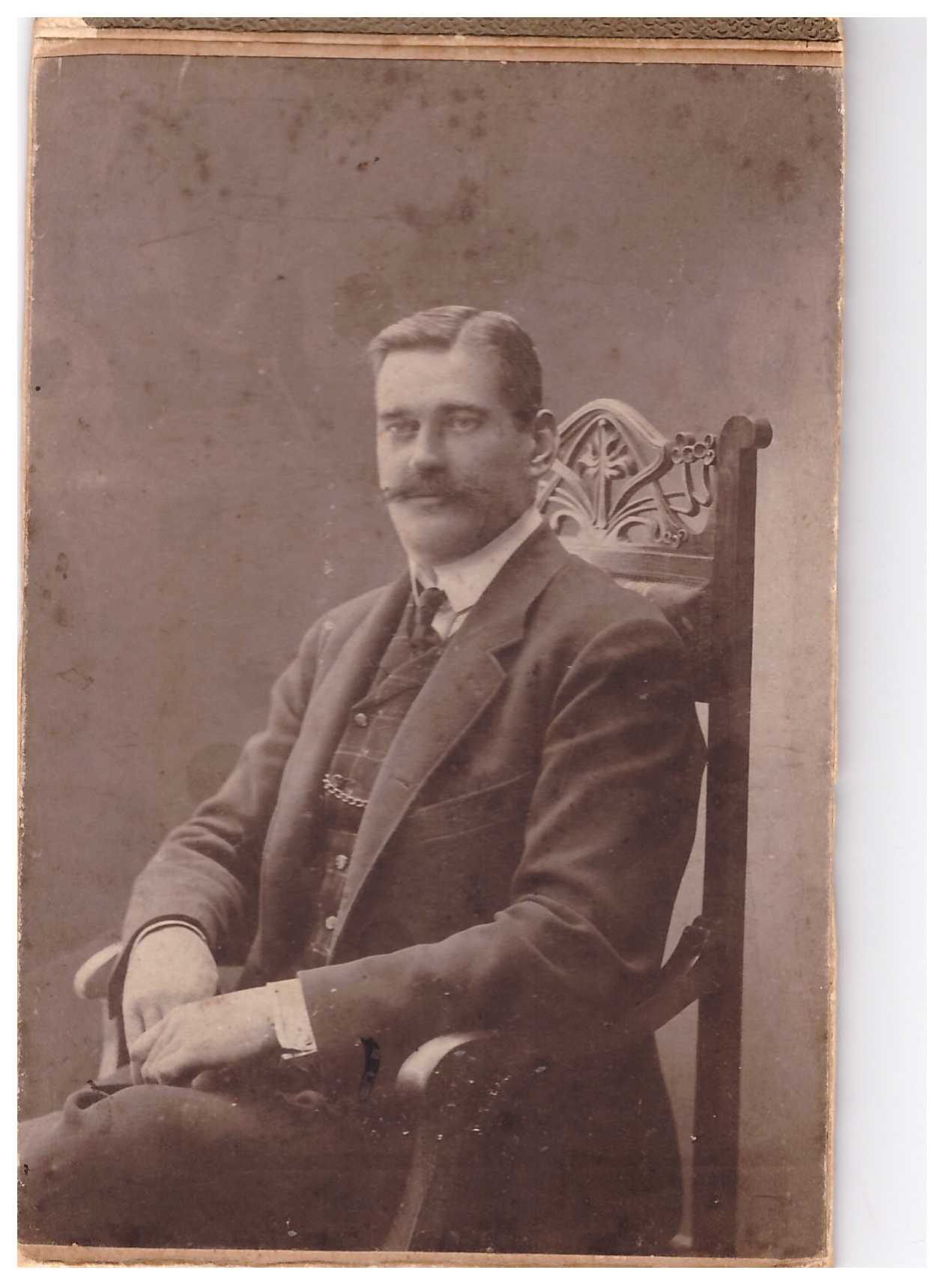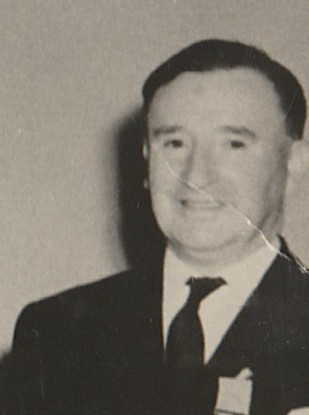
Hugh William John (Matthew) Fanning
- Born
- 1906-07-26 12:00:00
- Gender
- Male
- Place of migration
- Migrated to/Born in UK
Catherine Fanning formerly Boyland died on the 9th July 1914 at a hospice, she was aged 32 years at the time of her death. She was Hugh's mother. Her place of residence was recorded as 14 Russell Street. The hospice is around 3 minutes walk from Fitzgibbon Street. It was the same hospice that Charles Fanning would die at in 1918.
This had a drastic effect on the family and Mums father Hugh. At the time of Catherines death, the family were living in Richmond Terrace what happened between Catherine entering the Hospice and the family leaving that address is unknown.
The children lost their mother to TB in June 1914 and 6 months later were charged (November 1914) with “Wandering with no visible means of subsistence”. The boys (Richard and William-Hugh Fanning) were admitted to Artane Industrial School in Dublin, on 14th November 1914. The three daughters Kathleen, Edith and Caroline were placed in Merrion School in Dublin. One of the daughters (Edith/Eide) was taken out of the school and lived with Matt Boyland and his wife. None of the children were taken out by the Fanning family. The youngest girl Caroline died after 1 year in Merrion.
At the time the children entered these industrial schools (charges were from 1914-1921 or 7 years long) John Fanning was residing at Hardwick Street, again a few minutes walk from Fitzgibbon Street. He was in a lodging House (12 Hardwick St). The authorities knew his address as it is recorded on the Artane records. The view at the time was that the authorities were taking ‘ragged children’ away from broken homes and surroundings where a cycle of unwanted behaviour was likely.
The trail for John Fanning (their father) goes cold at this point. Not for want of trying. He doesn’t appear in crime, hospital, military, taxation or other records again (yet). He is not in Wills and is not in obituaries, he is not mentioned in burial records at Glasnevin – even though non family members were buried in Fanning plots on occasion. It may be a misunderstanding of the data – but it looks very much like John Fanning was ‘outside’ the family at this point. Future research may change that view.
The screen shot below for Richard is more informative (as he was older) It remarks his mother was dead, his fathers address and that he had sisters – gone to Merrion. These details helped identify the family (as no mention/memory of these events was passed on to me). Both boys were kept at Artane (infamous then and universally discredited and loathed now). The boys learnt trade/s and were then ‘apprenticed’ off to serve the remainder of their sentence.
Banagher–Quigleys. The Fanning boys were apprenticed toQuigleys of Banagher. It was a tailors/drapers shop.They arrived there in 1921 and seem to have left in 1924. They were checked every 6months by visitors from the Christian Brothers.“Apprentices worked in a room at the top of the back stairs. Bell at the bottom (like theballs used to call servants) to say the dinner was ready. She played schools and usedthe bell in play, but had to tell the apprentices that she was playing with the bell or theywould have thought the meal was ready.I’ll be ringing the bell, but you’re not wanted!At that time there was no connection downstairs between the front and back stairs. Ata later date the wall was broken through and a door created, but thatcaused thekitchen to smoke from the chimney.Apprentices ate dinner in the kitchen, family in dining room. Mother wonderful cook,dad would always say everyone was well fed. Lads would often go out in theevenings or stay in the kitchen. This respected everyone’s privacy.”This quote is from Eva Kennedy and there is a remarkable MP3 of Eva (1918-2016)recorded shortly before her death. This refers to the apprentices from Artane amongst otherthings.If you want to listen I can send on tracks, there arex10 of them, some mention the Artaneapprentices.The things which stand out most to me are as follows:Mr Quigley, the tailor designed and built a Dance Hall at the back of the shop, in the garden–it was huge. If you google it you will find stories ofQuigleys dancehall years later up to the1960s. It was a place where couples met.I notice that Hugh left in 1924.There was a Bridget Killackey Married to a Michael Deegan in 1923 in Birr. Bridget Killackey (ourMums mother) was the daughter of a soldierkilled in WW1 (PatrickKillackey), she was from an ‘army family’ and 1923 was the period when Ireland waspartitioned (north/south). In 1924–Hugh was 17. Around this time he left for England.Bridget Killackey grew up in Banagher. See Census below when she was 7 years old inPucha Lane. Every house in Pucha Lane had a Piggery and a Fowl house except No 10 (Where the Killackey Family lived).
Hugh must have met Bridget Killackey while in Banagher. They were 1 year apart in age, grew up in the same small place and he loved adjacent to the only Dance Hall for many,many miles. Quigleys was also a social hub.Hugh left one year after Bridget was married. How did they meet again?When did Bridget leave?How did someone married as a Catholic leave and marry Hugh?Bridget left, in the 1920s,she went to stay with her mother in Manchester. Her mother re-married (Joe Manning) and they lived in Salford, Manchester. Bridget became Barbara (not aname she was born with as far as I can see). Her surname changed from Deegan toManning. She would later change this to Fanning and would live most of her life as Barbara,Bridget Fanning.She married Hugh in a civil wedding ceremony in Hemel Hempstead in 1973.She was recorded as Bridget Deegan at that ceremony.Theremust be an incredible love story there, which we are seeing small pieces of. Name changes, civil war, dance halls, Catholic Ireland, emigration...........there is lots missing