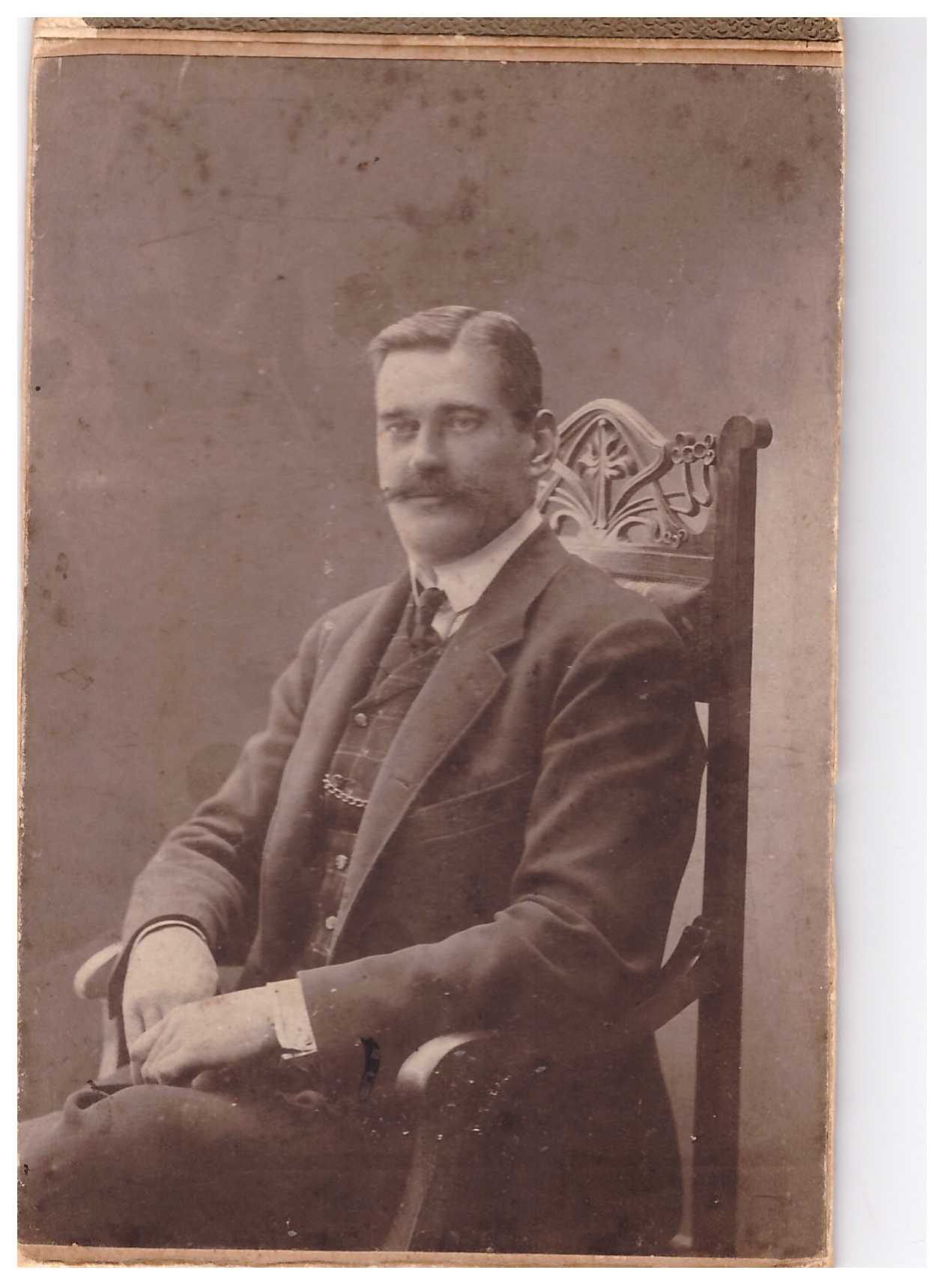
Elsie McKenzie Dowie
- Born
- 1903-03-12 12:00:00
- Died
- 1990-07-14 12:00:00
- Gender
- Female
Elsie McKenzie Dowie married Robert (Bob) Morrow in 1924. They had 3 children: two sons and one daughter.
She came to Canada at the age of 16, with her mother, Eliza Webby Ampleford, after the death of her father, Alexander Dingwall Dowie, in 1919. They boarded the S.S. Grampian in Glasgow, Scotland and arrived in Winnipeg in October 1919.
Two of Elsie's three brothers, James (Jim) and William (Bill) and sister Elizabeth Maud were already in Winnipeg, Manitoba, Canada. Her third brother, Alexander (Alec), was in Germany with the British Army at that time. When she and her mother arrived, they lived with Maud and her family.
Elsie went to Angus Business College where she met Elizabeth (Betty) Jane Morrow, Bob Morrow's sister. It was through Betty that Elsie met Bob.
In 1982, a relative wrote to Elsie, asking her about her mother's Ampleford roots. Elsie replied in two separate letters. In the first letter Elsie related what she remembered of the 1916 Easter Rising in Dublin city. This is an excerpt from that letter:
I shall be glad to help David and his wife with some of the names of the Ampleford family as I knew them in Dublin. They were a close and loving family and it was always a joy to have Grandma Ampleford (Maggie McDougall of Fife). In our last years in Dublin she was a frequent visitor and my Dad always accompanied her home to Aunt Berta's. I remember well the day she was 66. We had dinner and Mother had made it a bit special - it was wartime of course (about 1915), and to please us she sang for us the French national anthem in a fine contralto. It was always a fond memory of her. A year later the Easter Monday when the rebellion in Dublin broke Grandma was visiting at our house. I was away with the Girl Guides and did not see her. Dad was a bit anxious hearing the rumours of trouble and they decided to get back to Fairview early. Together they completed the first half of the journey and as they passed the first shots were fired at the Dublin Post Office. However, Dad was prevented from going any further but he and officials put Grandma on her next tram and she was home safely.
In the second later, she related who the Amplefords and Dowies came to live in Dublin city:
Mother and Dad were married in London, where the Amplefords previously lived but by this time were settled in Dublin. My Dad was a Scot working in Dublin as a wood carver and met the Ampleford family at Whitworth Rd. Church, and was welcomed to the home and in a year or so married Mother. By then he had more studies and worked in London. The first three of our family (Jim, Maud and Willie) were born in London. Grandpa (James Stead) was very close to his family and on his illness Mother travelled with the boys, leaving Maud with Dad, expecting to be away just a week or so. She was delayed at the severity of her Father's illness and death and Dad decided to go back to Dublin to live. Mother never got back to London and left the final moving to Dad. So they were together with the children again and work for Dad was plentiful in those days and they liked Dublin, especially being with all her brothers and sisters again. The remainder of our family were born there and lived till before the first war. 1910, 1912 and 1913 saw the coming to Canada of Jim, Willie and Maud. The war then, and we had the Canadian soldiers in the family on leave; Hubert's and Dad's death within a few months of each other and it was decided that Mother and I come to Canada and Alex followed soon after his discharge from the Army of Occupation in Germany. Mother really wanted to be with Maud again and little Harold, so it seemed best, and she had nearly 25 happy and comfortable years - for which we continue to give thanks.
NB: Elsie's parents had not yet named her when her birth was registered. She appears as "Female" born on March 12, 1903, with her parents names indicated.